setting geography factions
Imber is a sovereign nation that lies along the western coast of a larger continent, located on the northern hemisphere of the world. It is divided up into eight major territories: Kingslands, The Lairfost, Tormain, The Velwood, Meripont, The Hinterlands, Millhearth, Carenth. Hover over the map for details.
Kingslands
RULER: King Edvin, House Pennant.
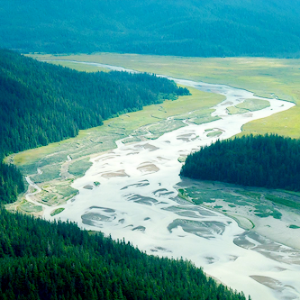
GEOGRAPHY: The region is dominated by a wide, meandering river that flows from east to west and then north until flowing out to the ocean past a wide estuary. The land itself is largely flat with a few rolling hills, providing abundant farmland to feed the large city at the region's heart. The coast is largely marshy, with a few sandy beaches along the shoreline.
CLIMATE: Moderate weather. Sheltered by the mountains to the east and warmed by offshore winds. Summers are warm and windy; winters are wet with occasional snowfall. Harsh weather is infrequent, but occasionally blows in from the ocean.
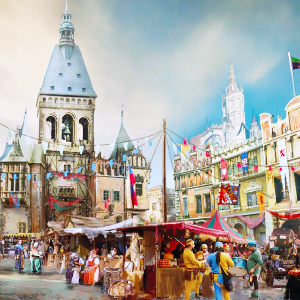
ECONOMY: Much of the economy in the Kingslands centers around the large capital. Almost all of the agriculture farmed in the region goes to feed the city, which in turn has built its prosperity on trade and crafting. There is a flourishing Trade District in the capital’s center and the Craftsman Guilds wield as much wealth and power as some noble houses.
KNOWN FOR: Being the capital region and seat of the royal family; an opulent "Hightown" within Prosperthine where the wealthy keep their city residences; a seedy "Lowtown" where the poor congregate and a black market flourishes; etc.
NOTABLE CITIES: Prosperthine (capital), Clayholme, Brookhart, & Mireworth.
The Lairfost
RULER: Lord Ansgar, House Ironstag.
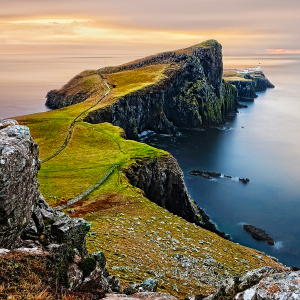
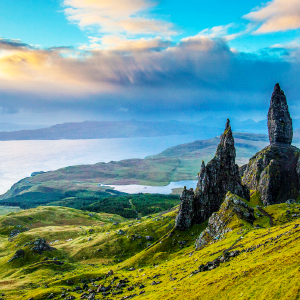
GEOGRAPHY: Heavily forested and rugged terrain populated by a small mountain range, surrounded by a broken coastline and a channel between the Lairfost and Tormain. The peninsula connects to the mainland by a narrow strip of land.
CLIMATE: Though the region’s interior has been made hospitable by centuries of careful cultivation of the woods and mountain dwellings, there is still only one word to describe the climate: harsh. The weather ranges from mildly chilly (within the southern bay) to murderously cold (the entire northern coast). The northernmost coasts face the worst gales on the continent. There are no real ports here, for few sailors are capable of safely navigating the choppy waters.
ECONOMY: Being a somewhat isolated region, the economy is largely self-sustained. People live off the land and share among their neighbors; the only resources they can part and barter with are furs, lumber, and their own manpower. The land breeds tough men (and women), perfect for soldiering and mercenary work during times of war. During peacetime, however, the economy is based around metalworking and fishing in the waters off the coast.
KNOWN FOR: Smithing; weaponry; furs; mead; lumber, carpentry; fishing.
NOTABLE CITIES: Torick (seat), Arnhus, Fraumark, & Garnthaust.
Tormain
RULER: Lord Warin, House Hollast.
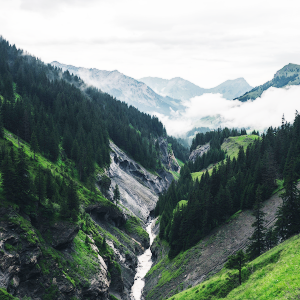
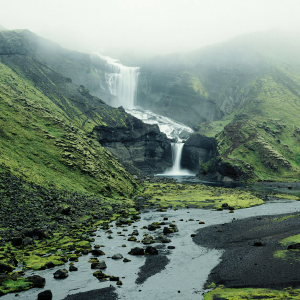
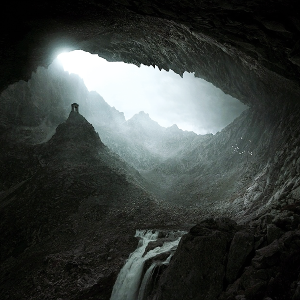
GEOGRAPHY: For the most part isolated from the rest of the kingdom by the Velwood, the region is located toward the north of the main continent. It lies in the shadow of some of the highest mountain peaks in the Estion range. None of the rivers that begin deep in the mountains here are particularly long or noteworthy, but their steep descent from high mountains to the sea result in spectacular waterfalls and rapids. The shore is harshly carved up by fjords.
CLIMATE: The weather is harshly cold in the winter with steep snowfalls and occasional icestorms. The steep mountain passes in the eastern parts of the region are frequent sources of avalanches. The summers are much more mild and pleasant, though the temperatures at the higher elevations are cooler.
ECONOMY: The economy of Tormain has always been based around mining. The mountains within the region have historically been rich in ore, stone, and gems. It has been only recently that tried-and-true veins have been running out, forcing miners to dig deeper and deeper into the mountains.
KNOWN FOR: Mining (precious stones, rare metals); gemcutting; masonry; sculpture; mountain goats; apple orchards & cider.
NOTABLE CITIES: Levishire (seat), Hesse, & Ashmire.
The Velwood
HISTORY: Sometimes known as The Magewood or The Witchwood due to the number of magic users who seek refuge within it, but mages are frequently the least of any traveler's concerns as they venture through the forest. Much of the Kingsroad between Meripont and Tormain is patrolled only sporadically and is occasionally plagued by bandits and ne'erdowells. There have even been lesser lords turned robber baron over the years, including the infamous Tarlon Ryde (put to death some ten years ago or so).
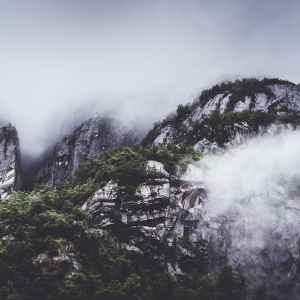
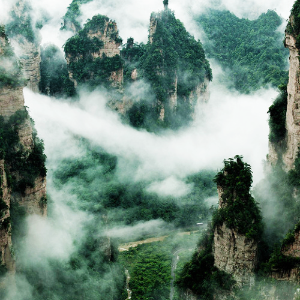
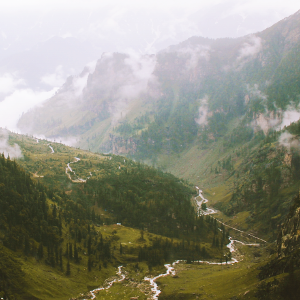
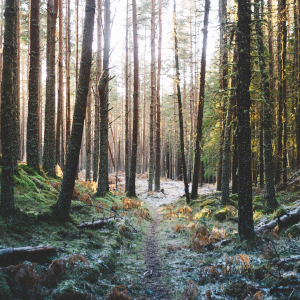
GEOGRAPHY: Comprised of a vast, dark forest that begins at the craggy shore and spans all the way into the Estion mountains. A number of streams cross the region, carving out gorges and turning into fast-moving rivers closer to the coast. Attempts to settle and cultivate the land have been largely unsuccessful over the years with few exceptions. To the southwest of Retterim is a small, tall chain of mountains called The Spires. The Spires are haunted, according to legend, and home to The Vossana, according to some religious texts.
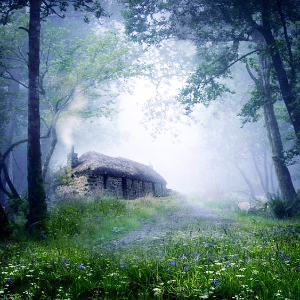
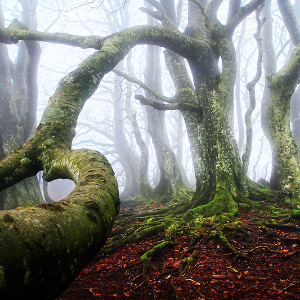
CLIMATE: Cool and concealed under a seemingly constant blanket of fog.
KNOWN FOR: Being scary; refuge for magic users.
NOTABLE SETTLEMENTS: Retterim (largest, by the coast), small villages along the Kingsroad.
Meripont
RULER: Lady Serai, House Fairmane
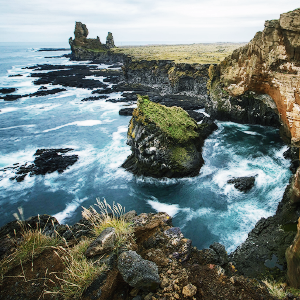
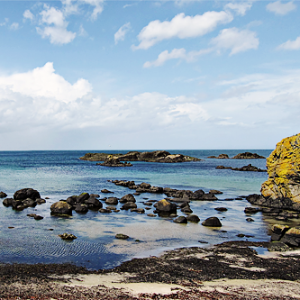
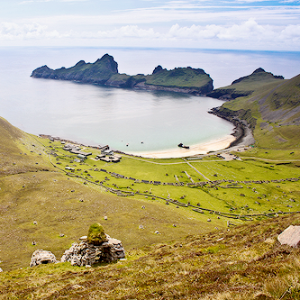
GEOGRAPHY: Facing the Erea Ocean, the cape protecting the bay is comprised of rocky shores and steep cliffs, the tip broken up into smaller isles with few inhabitants. Most of the population is concentrated in the main port city, though smaller towns exist along the inner coastline, some of which feature sandy beaches, and in the marshy river delta south of the Velwood.
CLIMATE: Cool summers, mild winters, though the northern reaches receive more snow, while the bay area is sheltered from harsher elements and tends to stay somewhat warmer year round.
ECONOMY: Incredibly prosperous, the region derives most of its monetary value from international sea trade, reaping the benefits of contact with foreign diplomats and merchants who make frequent use of their harbors. Its centralized location also grants them control over domestic trade routes (by land and sea) between the northern and southern regions.
KNOWN FOR: International and domestic trade; imported exotic goods (silk, spices); naval fleet; ship building and dockyards; lumber (from the Velwood); fishing and whaling; saltworks.
NOTABLE CITIES: Eversedge (seat), Glasvale, Sorraine, & Storalind.
The Hinterlands
RULER: Minor lords
GEOGRAPHY: A wide swath of land extending from the plains of the interior of the kingdom all the way into the highest mountain borders in the Estion Range. The northern border brushes up against the Velwood. Several rivers cross into the Hinterlands, allowing travel by boat to conduct trade with other regions. Most of the land is used for farming and grazing for herds.
CLIMATE: Moderate and mild, protected from winds by being inland, but somewhat colder nearer to the mountains.
ECONOMY: The Hinterlands are ruled over by a collective of minor lords who each possess and manage their own lands, preventing a cohesive economy in the region. Some lords, such as those along the rivers, are positioned to succeed, where others may barely scrape by. A couple of towns have flourished in the region, but by and large, financial profit is based around farming/husbandry (in the plains) and then hunting/trapping (in the forested foothills of the Estions).
KNOWN FOR: Country estates; occasionally violent squabbling between minor lords; working dogs; wool/fabric production in the towns; animal husbandry; muddy roads; large game hunting (so many bears); etc.
NOTABLE CITIES: Walen's Rest, Hakonwood, & Beloe.
Millhearth
RULER: Lady Ellynore, House Averay
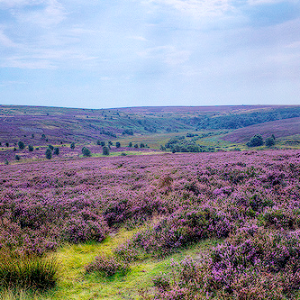
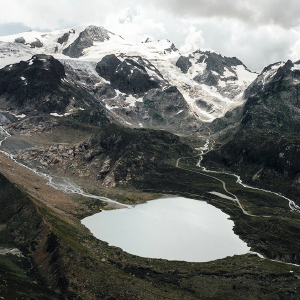
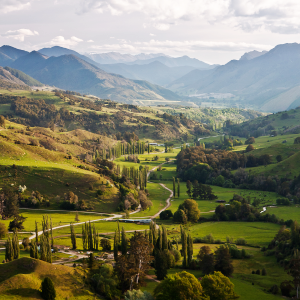
GEOGRAPHY: Bordering the Kingslands to the North, Millhearth begins as vibrant, hill-scattered country. Once past the prominent Northern loch, the land along the Western coastline take on a rockier landscape while the Soutern interior is dominated by pictoral farmlands. The Estion Mountains deadend in Millhearth's Eastern corner, rising abruptly from flat, forest-dotted land. The South is marked by a scattering of peaks shared with Carenth.
CLIMATE:
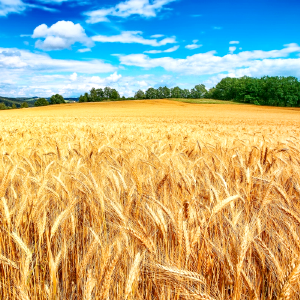
ECONOMY: Millhearth is the breadbasket of Imber, providing a large percentage of the continent's grain and staple crops. While farming would seem likely to be the region's most populous professions, soldiering and engineering is taken up in equal measure (and gender). It is often joked that Millhearth's main exports are "Corn and knights".
KNOWN FOR: Crops; agricultiral technology; horse breeding; martial training; Imber's modern chivalry code; peacekeeping/mediation (the Averays are often called upon to help settle inter-nobility disputes)
NOTABLE CITIES: Lindmaiden (seat), Redlyn, Grendale, Ackermouth, Waelcombe
Carenth
RULER: Lord Osric, House Wymare.
GEOGRAPHY: Dominated by hilly country with a long, rocky shoreline to the east, more stone beaches than sand. Although dry in parts, the land is highly cultivated and borderline manicured, with vineyards and olive groves ubiquitous throughout the majority of the region. Borders are naturally defensible by mountains.
CLIMATE: Coastal areas enjoy milder weather than the harsher and rainier patterns in the region’s interior. There are considerable fluctuations in temperature between winter and summer that are most distinctly felt in the northern areas around the mountain range.
ECONOMY: Historically one of the most resilient and stable economies in Imber. The Wymares encourage responsibility and restraint over opulence and excess, particularly in times of prosperity. As a result, their financial institutions and people have avoided suffering too severely even in times of drought and war. After the Kingslands, they have the highest educated population in the kingdom, though it is worth noting that education is evenly spread throughout the region rather than concentrated to any one urban center.
KNOWN FOR: Wine; olives; wild game; glassworks; public education.
NOTABLE CITIES: Brescion (seat), Calabrion, Valcenth, Lorent, Point Fere.